
When to Worry About a Fast Heart Rate
At a Glance: A fast heart rate can happen from stress, dehydration, or illness, but it may be more serious when it occurs at rest, lasts several minutes, feels irregular, or brings chest pain, dizziness, or trouble breathing. Know when to worry, when to get checked, and when to go to the hospital for rapid heart rate.
Schedule with a cardiologist Find a Heart and Vascular Clinic
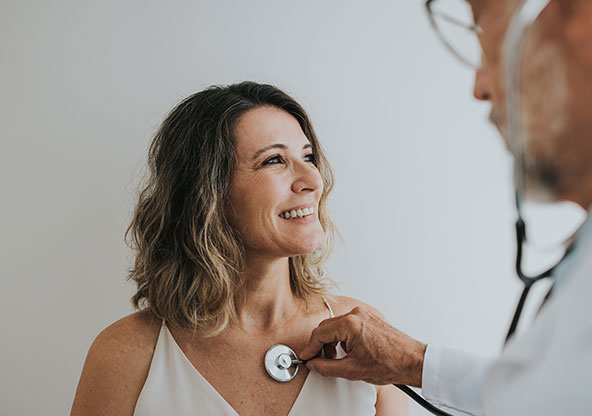
A fast heartbeat can feel scary. Your chest may feel like it’s racing, fluttering, or pounding. In that moment, it’s easy to wonder if something serious is happening. You are not alone—many people feel this and aren’t sure what it means or when to get help.
This guide can help you understand what a fast heart rate is and when to worry about your heart rate.
What Counts as a Fast Heart Rate?
For most adults, a normal resting heart rate is 60–100 beats per minute (bpm). Your heart may beat faster during exercise, stress, fear, or excitement. That type of increase is usually normal.
You may notice a fast heart rate (over 100 bpm at rest) if you are:
- Dehydrated
- Fighting an infection
- Feeling anxious or stressed
- Using caffeine, nicotine, or certain medications
These causes often improve once the trigger goes away.
When to Worry About Your Heart Rate
Seek medical care if your fast heart rate:
- Happens while you’re resting and doesn’t slow down
- Comes with chest pain, shortness of breath, or fainting
- Lasts longer than a few minutesand makes you feel unwell
- Happens often without a clear cause
- Feels irregular, like your heart is skipping or pausing
These may be signs of a heart rhythm issue that needs attention.
Potential Causes of Concern
A racing heartbeat can sometimes point to a more serious issue, such as:
- Heart rhythm problems (like atrial fibrillation)
- Thyroid problems
- Low blood pressure
- Anemia
- Heart or lung conditions
You don’t need to diagnose yourself. What matters most is how you feel and how long the symptoms last.
When to Go to the Hospital for a Rapid Heart Rate
Go to the emergency room right away—or call 911—if your fast heart rate comes with:
- Chest pain or pressure
- Trouble breathing
- Dizziness or fainting
- A feeling that you may pass out
- Severe weakness
- A heart rate over 120–130 bpm at rest that won’t slow down
These symptoms may point to a serious medical problem. Getting help fast can protect your heart and help you feel safe.
What Your Care Team Can Do
During a visit, a clinician can:
- Check your heart rhythm
- Look for infection, dehydration, or thyroid issues
- Review your medications
- Provide treatment to slow or steady your heart rate
- Help you create a plan to prevent it from happening again
Many people feel relief just from knowing someone is listening, checking their heart, and helping them understand what’s going on.
When to Reach Out for Help
If something doesn’t feel right with your heart, trust that feeling. You deserve answers and peace of mind. A fast heart rate can have many causes—some simple, some more serious. Getting checked is the safest way to know the difference.
If a fast heartbeat has you feeling unsure or uneasy, you don’t have to figure it out alone. A clinician can listen, check your symptoms, and help you understand what your heart is trying to tell you. Schedule a heart evaluation and get the clarity and peace of mind you deserve.
Find Heart Care
Heart Health Assessment
Take a health assessment to measure your heart health. The CHRISTUS Health heart assessment measures your risk of heart disease by asking simple questions.
