
Is Heartburn a Sign of Heart Disease?
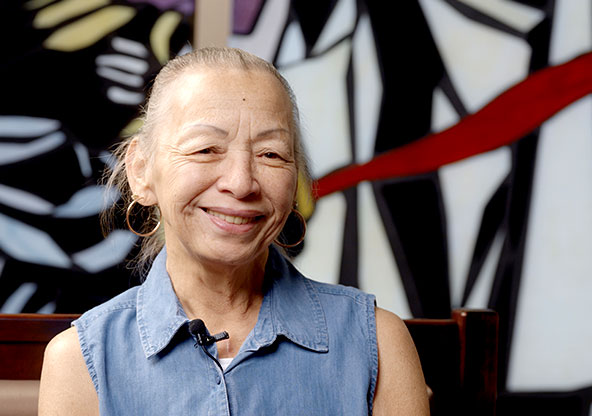
Norma Thomas, of Lindale, Texas, believed she was dealing with simple indigestion. She assumed her symptoms were heartburn. Certain foods made it worse, and antacids helped ease the discomfort.
She also noticed shortness of breath.
"I just figured I was out of shape and needed more exercise," she said. "I never once thought it could be my heart."
When Heartburn Symptoms Point to Something More
During a routine visit, Norma’s endocrinologist, who manages her diabetes, recommended cardiac testing after hearing about her symptoms. That recommendation led to a chemical stress test.
A chemical stress test uses medication to mimic exercise, allowing providers to evaluate how well the heart is functioning. It can help detect blockages, abnormal heart rhythms, and other signs of heart disease.
When the results came back abnormal, Norma was stunned.
"I couldn't imagine failing a chemical test," Norma said. "But I did."
Cardiology Services Near Lindale, TX
Hidden Heart Blockages Revealed
Further testing confirmed the cause. A cardiac catheterization revealed two severe blockages: one artery was completely blocked, and another was nearly 90% blocked.
Without treatment, those blockages could have led to a heart attack.
"I knew right then something had to be done," she said.
Norma was admitted the next day to the CHRISTUS Health heart hospital in Tyler.
Clear Answers Without Pressure
Even though the situation was serious, Norma said she never felt rushed.
"There was no urgency like, ‘you have to tell me right now,’" she said. "[My doctor] wanted me to take time, understand everything, and ask questions."
Diabetes and Heart Disease: A Critical Connection
For people with diabetes, heartburn-like chest discomfort can sometimes signal heart disease rather than digestive issues.
"Diabetes contributes to plaque buildup inside the arteries," said Dr. Neal “Matthew” Foley, a cardiothoracic surgeon at CHRISTUS Health. "That plaque narrows blood vessels and limits blood flow."
When plaque affects the arteries of the heart, it can lead to coronary artery disease.
That increased risk is why physicians often recommend cardiac evaluation for people with diabetes who experience chest symptoms.
"When you have diabetes, you’re more susceptible to heart disease or stroke," Norma said.
Open-Heart Surgery to Restore Blood Flow
Dr. Foley recommended coronary artery bypass graft surgery, often called CABG, to restore healthy blood flow to Norma’s heart.
"During bypass surgery, we take arteries from the chest and veins from the legs and use them to reroute blood around blocked areas of the heart," Dr. Foley explained.
Norma’s blockages were especially dangerous because they involved arteries on the front and right side of the heart.
"For patients like Norma, open-heart surgery is the most effective treatment," he said.
Trust Built Through Compassionate Care
Norma said she trusted Dr. Foley immediately.
"He was gentle, kind, and never rushed me," she said. "I could tell he truly cared."
She also felt confident moving forward without delay.
"If one artery was completely blocked and the other was 90%, I knew it couldn’t wait," she said.
Team-Based Heart Care Makes a Difference
Throughout her hospital stay, Dr. Foley visited Norma daily.
"He explained everything—from X-rays to lab work— even my potassium levels," she said.
That partnership mattered.
"Her recovery was very smooth, and that speaks to how engaged and motivated she was throughout the process," Dr. Foley said.
Norma also felt supported by every member of the care team.
"Everyone treated me like a person," she said. "Even housekeeping asked how I was doing. They encouraged me without ever pushing."
Recovering After Heart Surgery
Norma spent about five days in the hospital before returning home to begin recovery.
Her instructions were clear: avoid heavy lifting, don’t drive, take it slow, and begin gentle walking.
"I kept reminding myself this was temporary," she said. "With help from my family—especially my grandson— I made steady progress."
Her recovery surprised her.
"I didn’t have much pain," she said. "The incision was tender, but overall I’ve been very fortunate."
Looking Ahead With Gratitude
Norma is already planning her next milestone: traveling to Long Beach to meet her newest grandbaby.
"Grandma has to go," she said.
Listen to Your Body. Get Checked.
Dr. Foley says Norma’s story highlights the importance of early detection and screening.
"If we can identify diabetes and heart disease early, we can step in before serious complications occur," he said.
Norma now shares her experience with others.
"Listen to your body," she said. "Don’t wait. Go to the doctor. Getting checked could save your life."
She especially encourages individuals with diabetes to stay proactive.
"My doctor has been amazing," she said. "He keeps a close eye on everything to make sure I’m doing as well as I can."
Related Content
Take the Heart Risk Assessment
Check Your Risk of Heart Disease
Take our heart assessment to see if you are at risk of heart disease.
